England – Henley Picnic with Peter and Gwen


The river at Henley on Thames
View technical data…
Show Map


The river at Henley on Thames
View technical data…
Show Map


The river at Henley on Thames
View technical data…
Show Map
England – Brixham harbour with Trevor


My brother, Trevor in front of the relica of the GoldenHind, an English privateering galleon circumnavigated of the globe between 1577 and 1580, captained by Sir Francis Drake.
View technical data…
Show Map

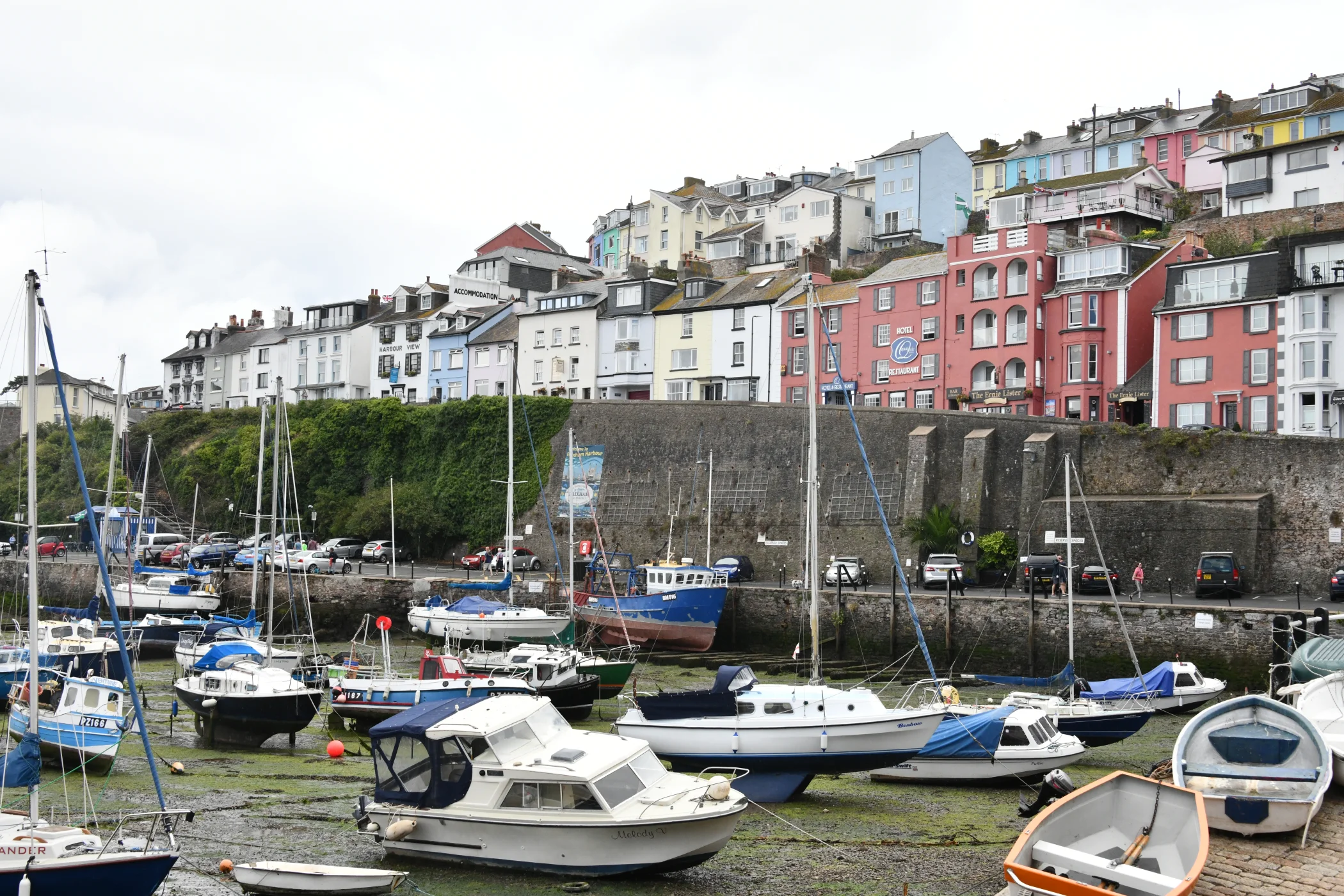
Brixham Devon, the harbour
View technical data…
Show Map
England – Fruit picking at Grays farm

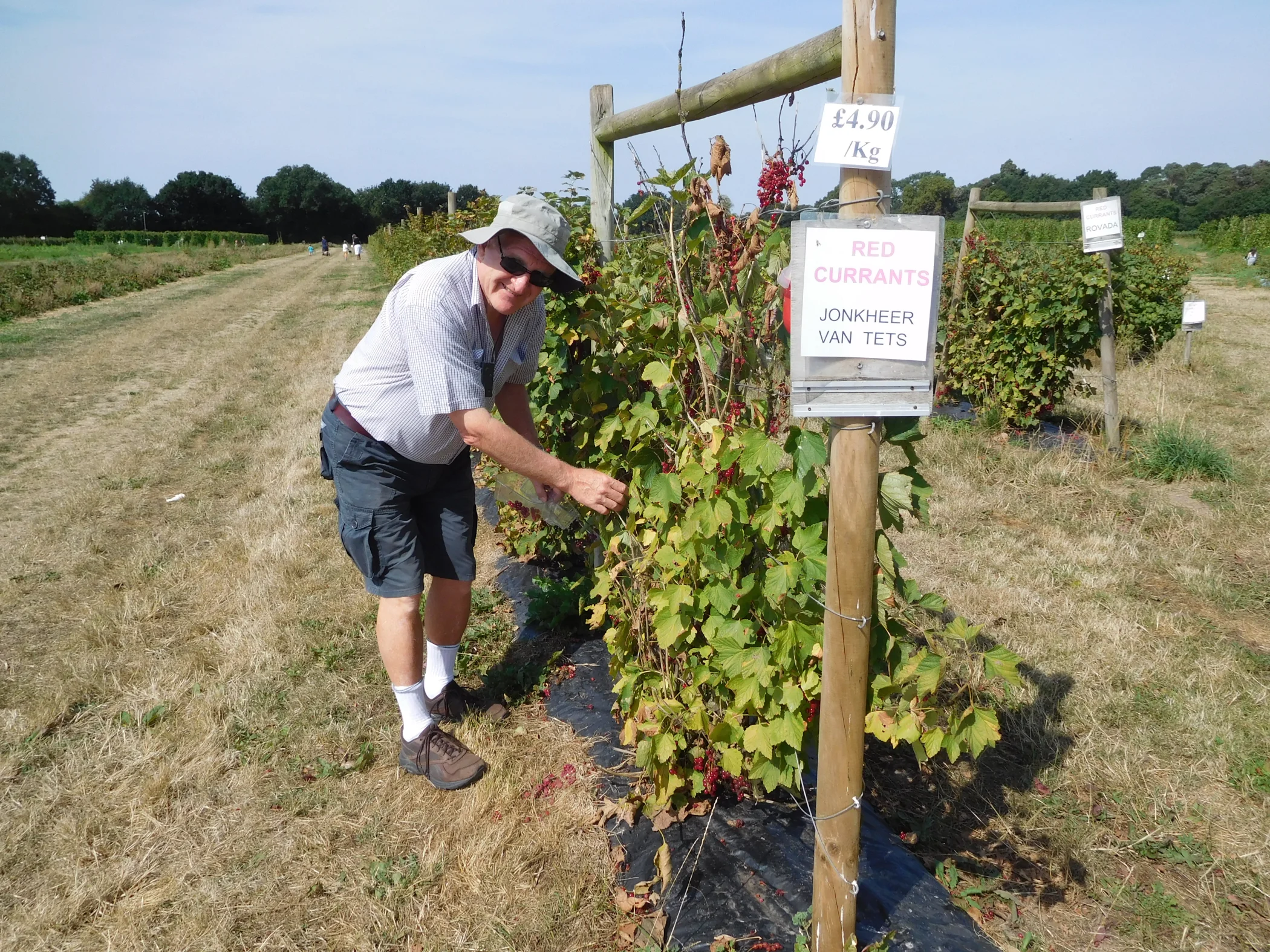
Barry picking fruit
View technical data…


Jeremy picking fruit
View technical data…


The fruits of our labours
View technical data…
England – Trip to Kew Gardens


Kew Gardens
View technical data…

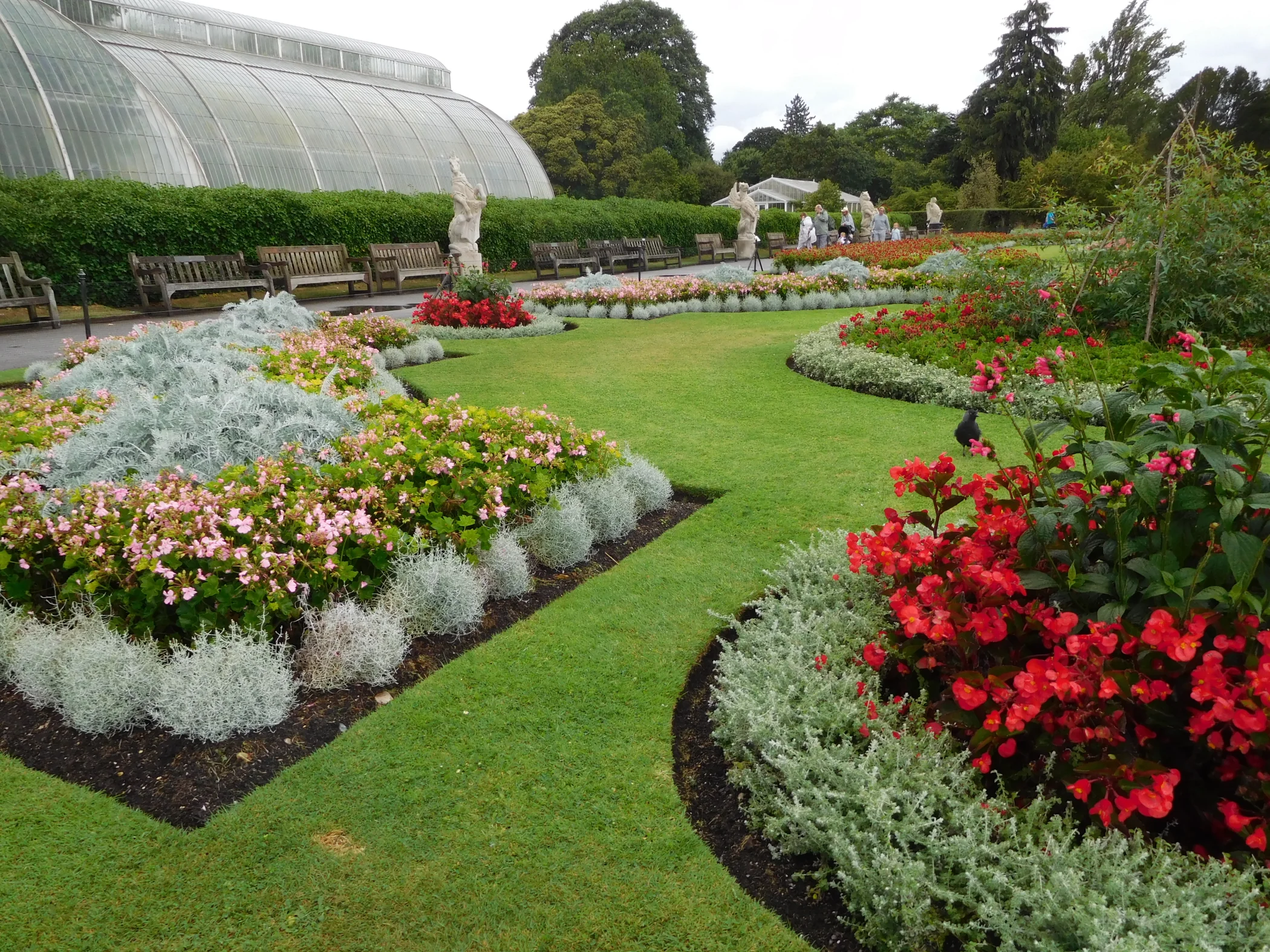
Kew Gardens
View technical data…

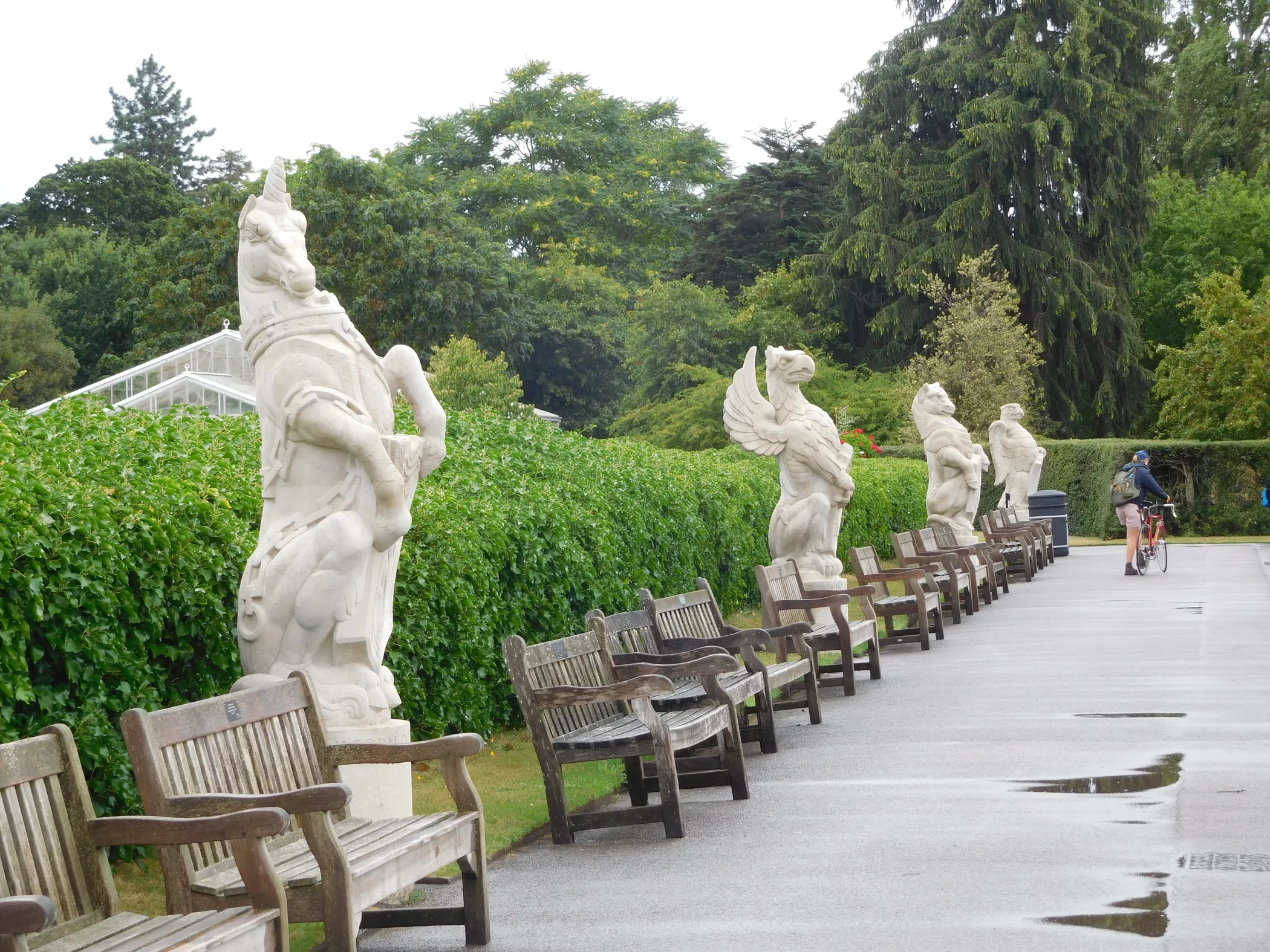
Kew Gardens
View technical data…


Kew Gardens
View technical data…


Kew Gardens
View technical data…


Kew Gardens
View technical data…

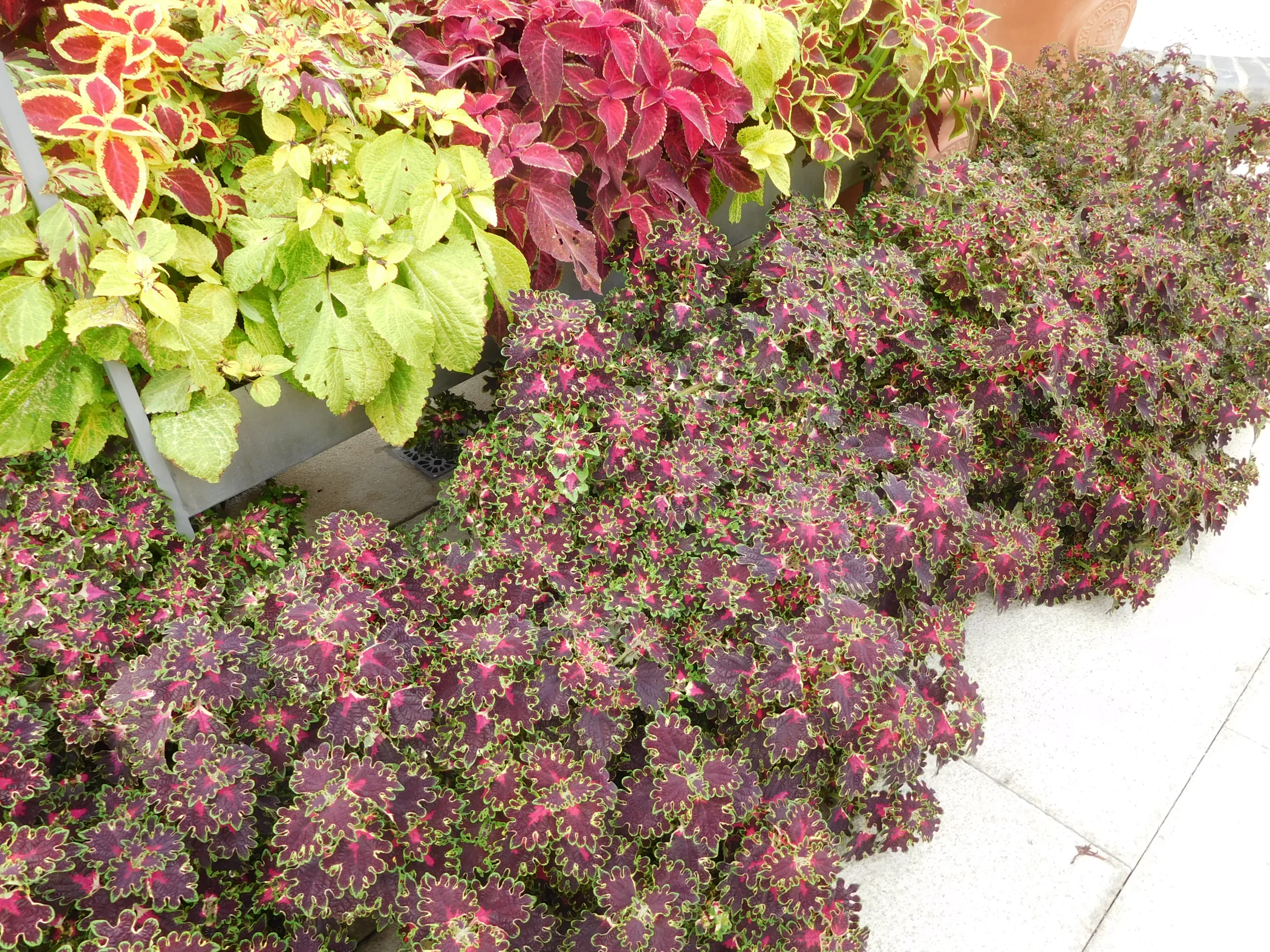
Kew Gardens
View technical data…


Kew Gardens
View technical data…

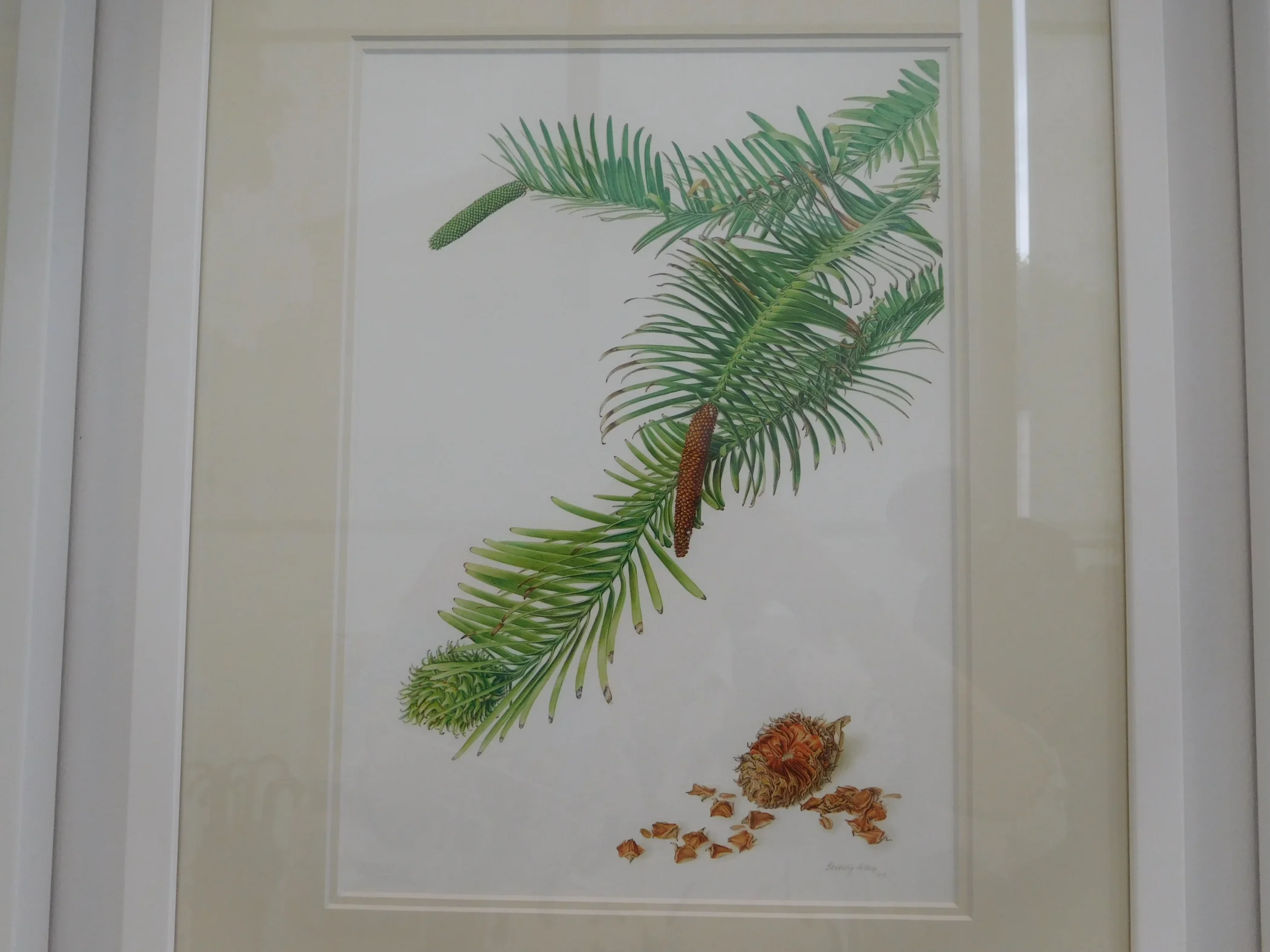
Kew Gardens
View technical data…
England – The Last Caravaggio National Gallery

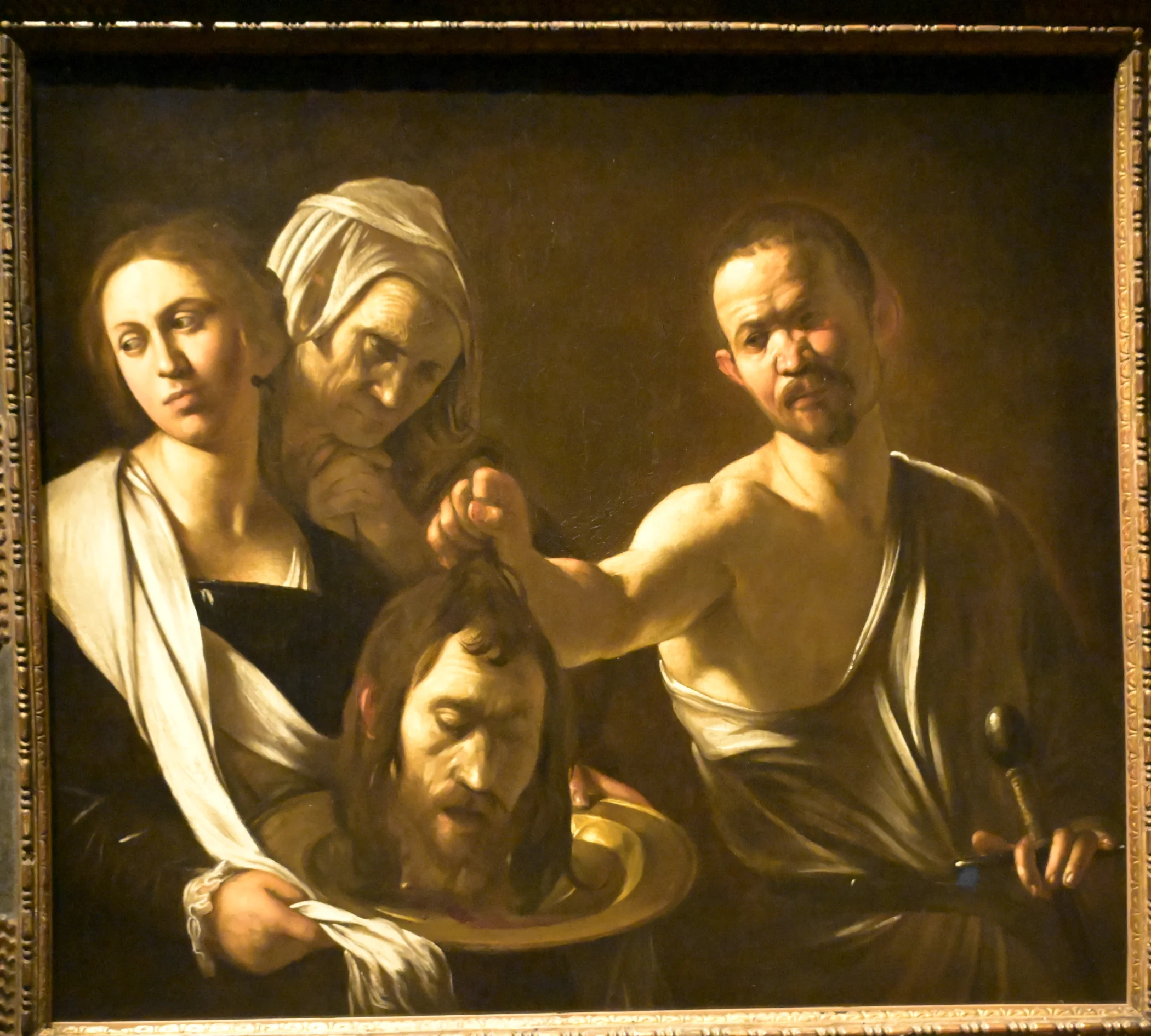
Salome receives the Head of John the Baptist about 1609-10 This almost monochromatic composition shows Caravaggio’s ability to reduce a story to its essentials. _ We are confronted with the horror of the severed head, the brutish power of the executioner, the old woman’s sorrow, and the complex revulsion of Salome who, at her mother’s bidding, had requested Saint John’s head on a platter. Painted during Caravaggio’s second stay in Naples, this picture captures the stark emotional power of his late paintings and the profound impact the city had on his art. 17th-century Naples was a city of contrasts: at once the largest metropolis in Italy with vast wealth brought in by its port, but also dark, dirty and overcrowded. Violence would never have been far away.
View technical data…
England – National Gallery

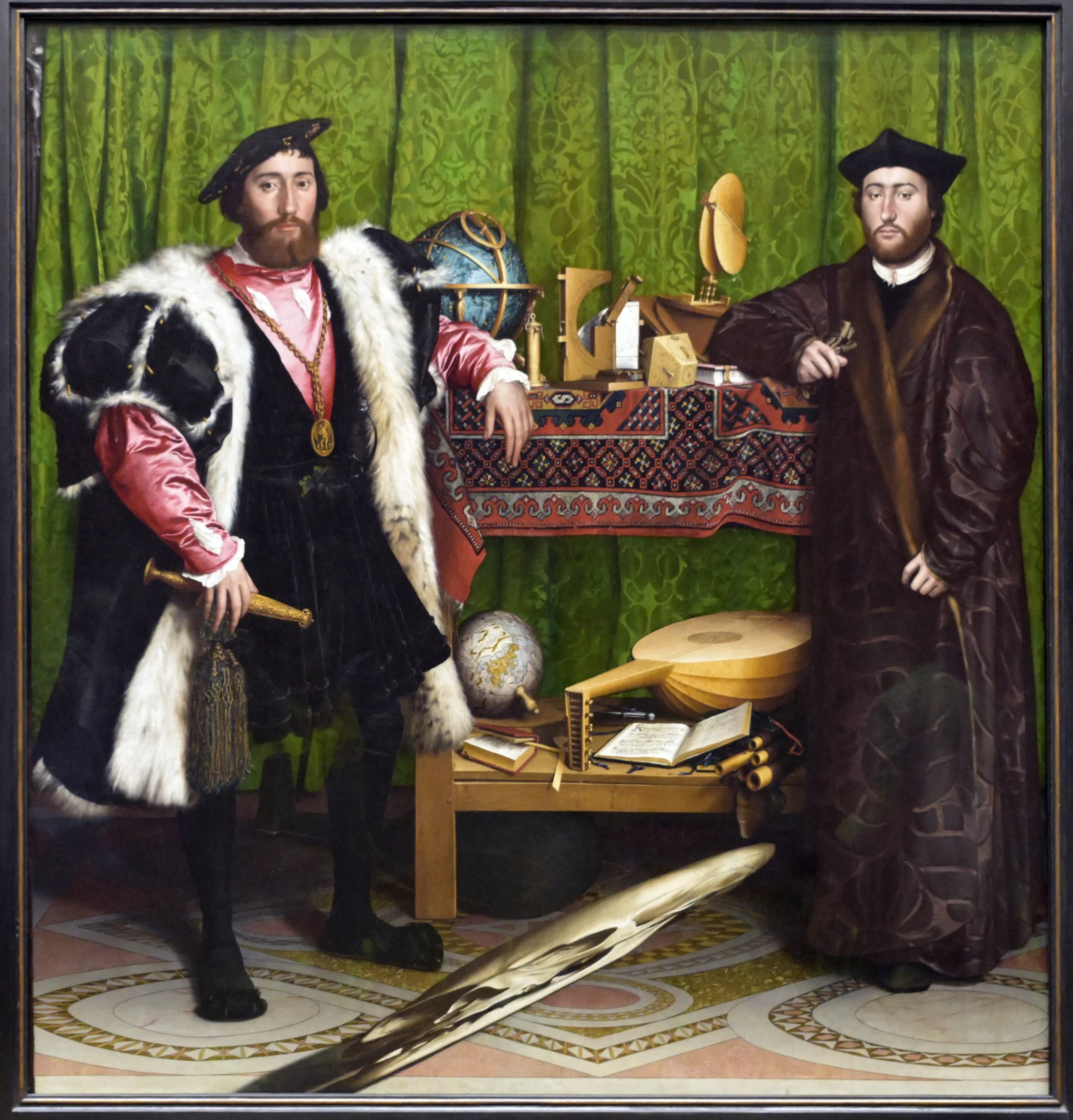
Hans Holbein the Younger (1497/8- 1543) The Ambassadors, 1533 Jean de Dinteville (left) was French ambassador to the court of Henry VIIl in The inscription on his dagger reveals he is in his 29th year. Georges de Selve, Bishop of Lavaur (right), visited London in April 1533. The book on which he rests his arm indicates he is in his 25th year. The picture was painted for Dinteville and hung n his family house in Polisy, Champagne. lisy is marked on the globe next to him. ing of the objects on the shelves n much debated. The broken string is symbolic of discord, perhaps al and religious disharmony in e time of the Reformation. On or between them is a distorted skull. »d from the right-hand side, the » corrects itself and the symbol of 1 becomes clear. In the top left- of the picture is a silver crucifix, e Christian promise of slavation.
View technical data…

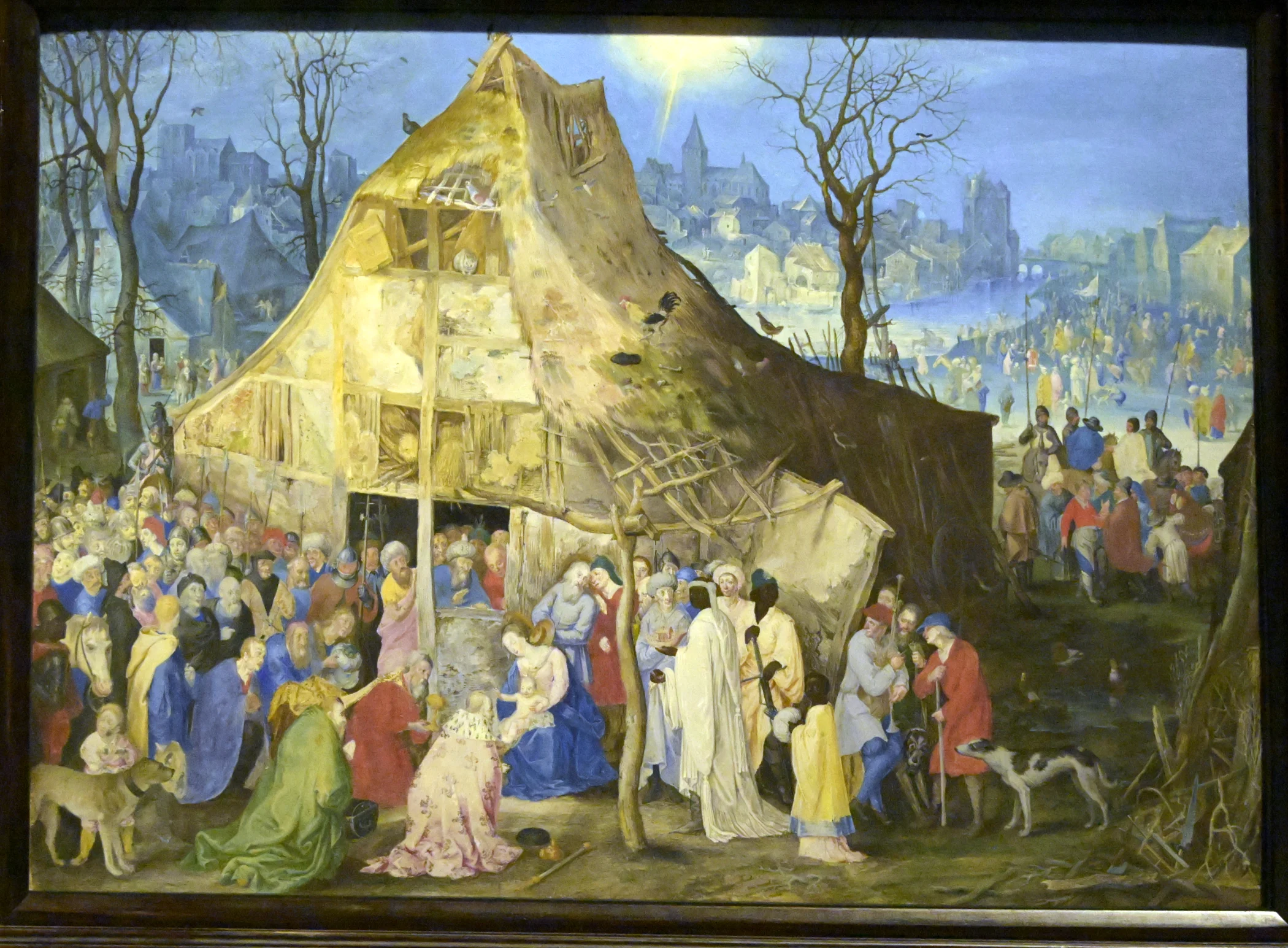
Jan Brueghel the Elder (1568-1625) The Adoration of the Kings, 1598 This painting is a display of minute observation, from a woman with a baby conversing with a man on horseback at the left, to the still life of carpenter’s tools in the lower right. The black king and his elaborate boat-shaped container are inspired by the work of Pieter Bruegel, the artist’s father, reminding us that artists’ drawings — templates for paintings — were often handed down from father to son. Bodycolour on vellum.
View technical data…

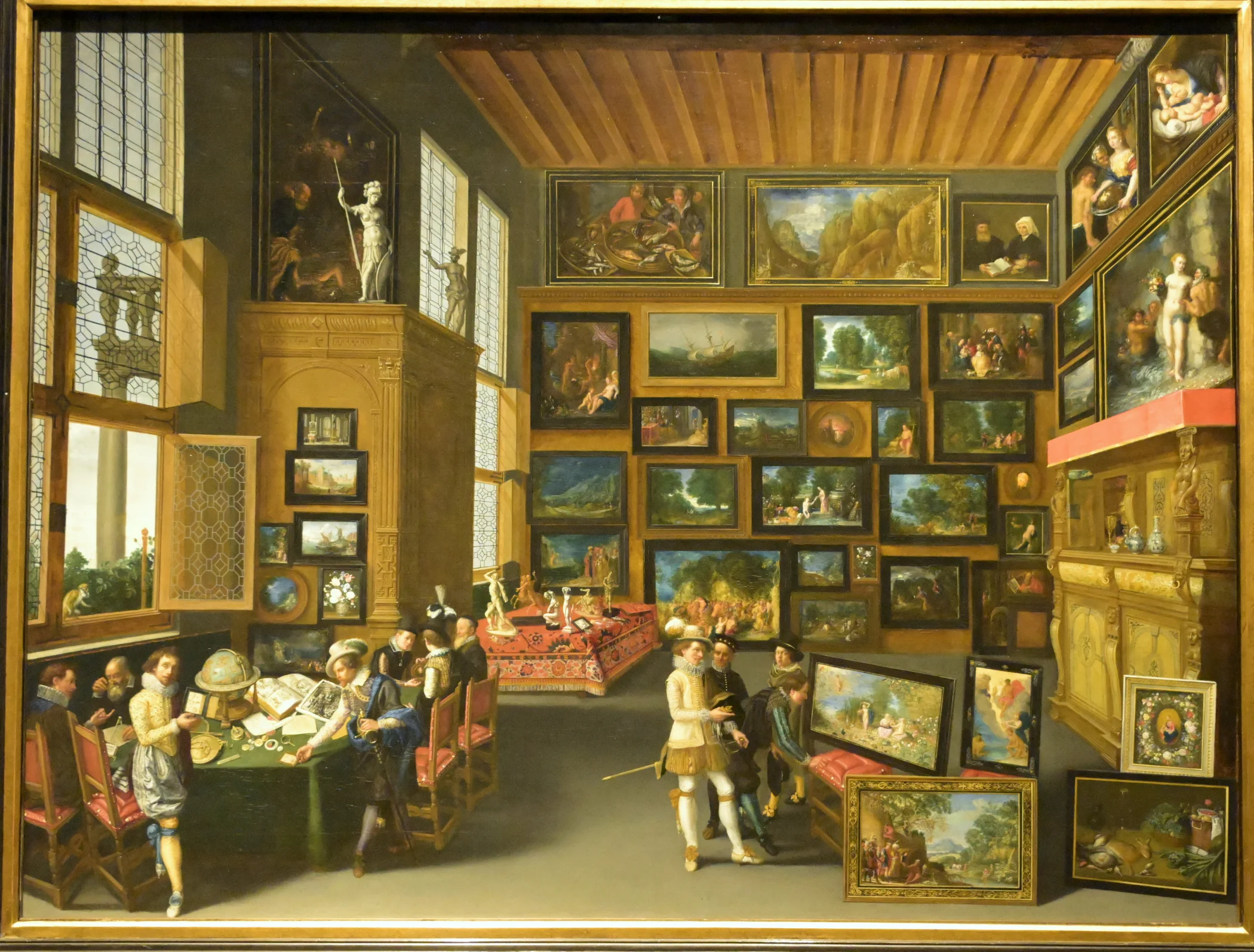
Unknown Flemish artist Cognoscenti in a Room hung with Pictures, about 1620. I would have thought it was difficult enough to paint a single picture but 39! Oil on oak.
View technical data…

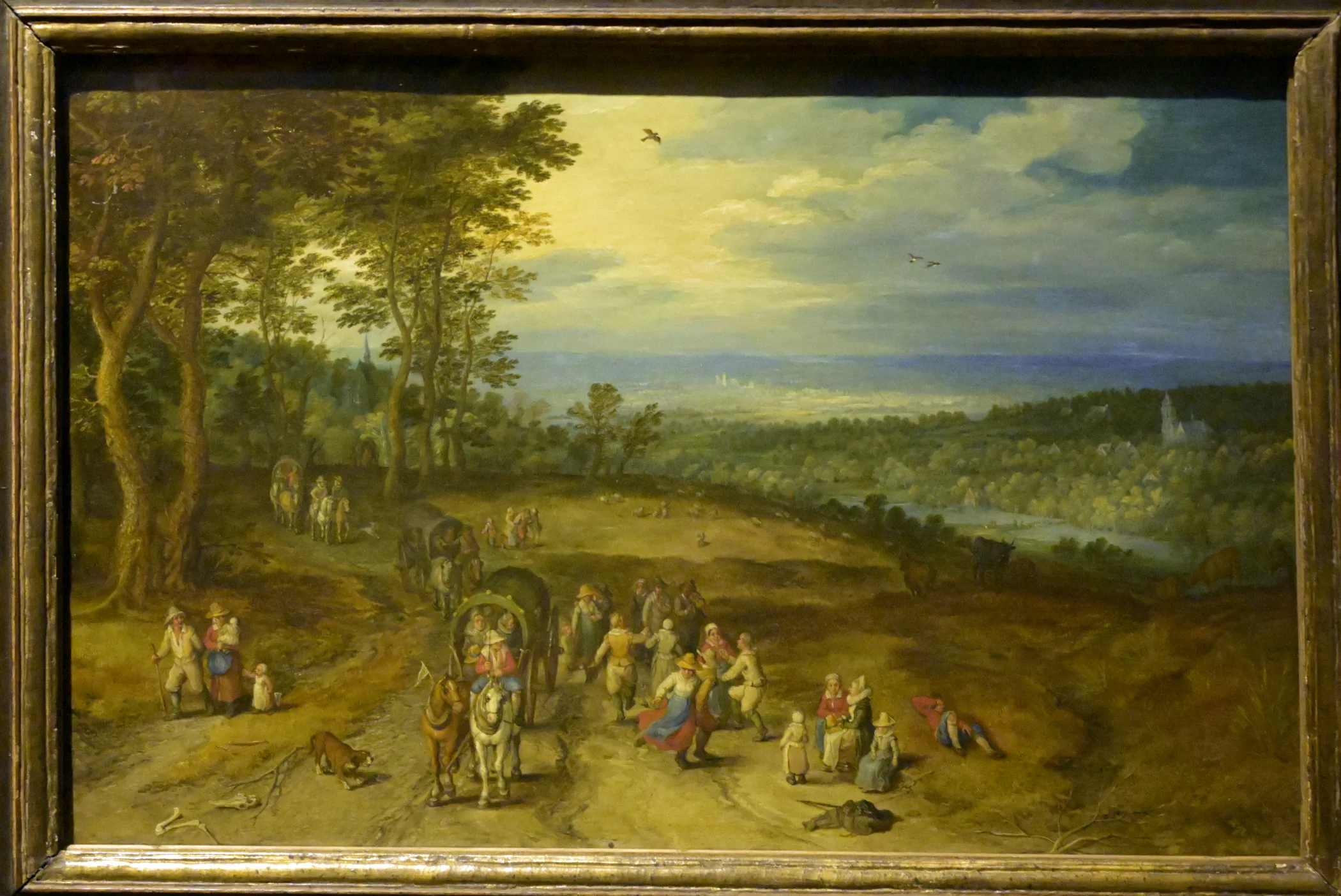
Jan Brueghel the Elder (1568-1625) Landscape with Travellers and Peasants on a Track, 1610 A convoy of travellers in horse-drawn carriages encounters a group of peasants dancing to the music of a violin. A characteristic feature of landscape paintings by Jan Brueghel, son of Pieter Bruegel the Elder, is the way the background opens up to a vast valley, providing a view of the town in the far distance. Oil on copper.
View technical data…


Pieter Bruegel the Elder (active 1550/1; died 1569) The Adoration of the Kings, 1564 The tiny, naked Christ Child seems vulnerable among the heavily armed men. He recoils from the gift of myrrh, the spice used to prepare bodies for burial, foreseeing in it his future death. By contrast, the spectators, one wearing glasses, are blind to what is before them, the son of God made man to redeem fallen humanity. Oil on Oak.
View technical data…

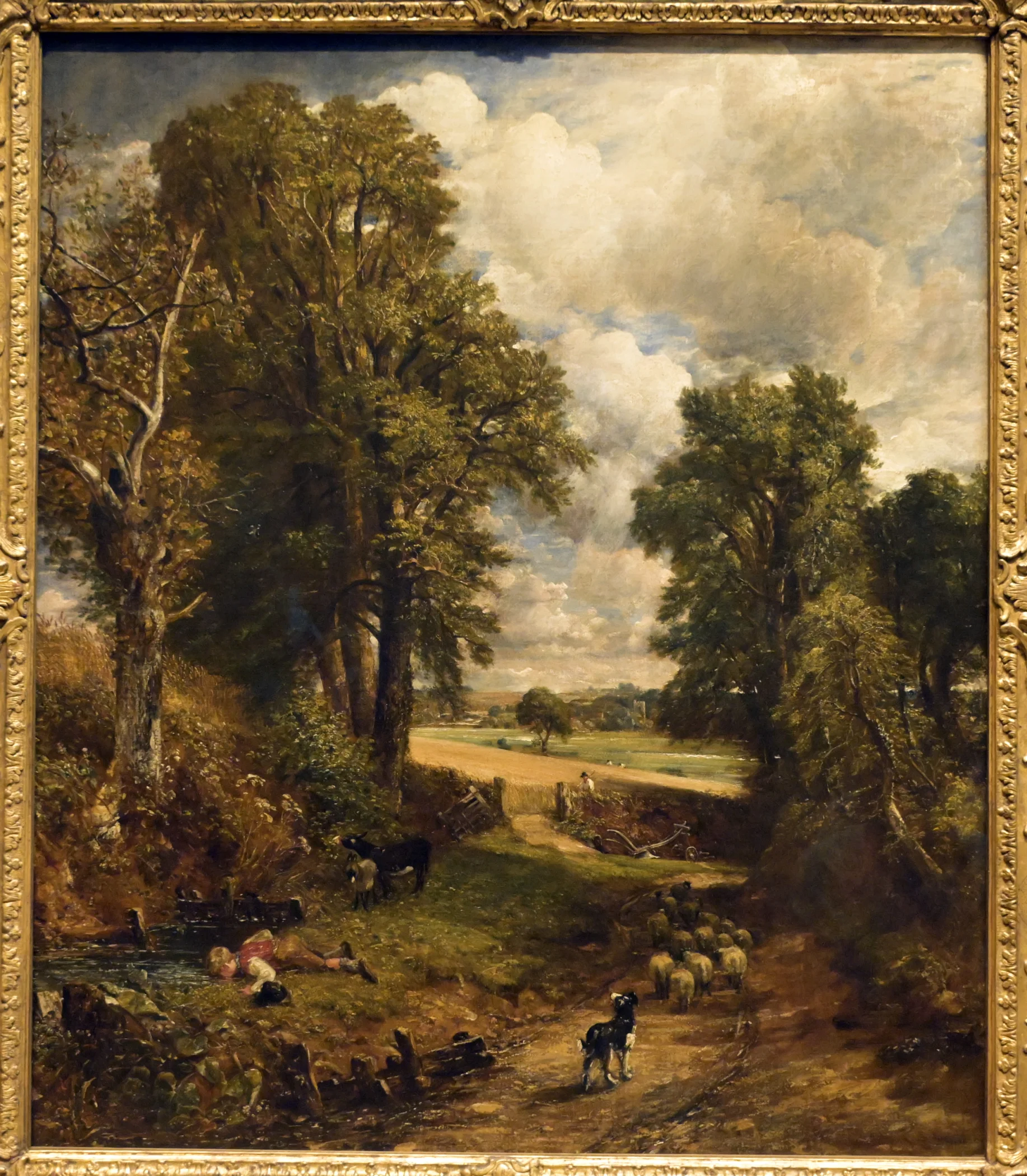
John Constable (1776-1837) The Cornfield, 1826 A boy has stopped to drink from a pool, and his sheepdog has also paused, while the sheep continue along a lane sheltered by trees. Harvesters are at work in the cornfield beyond. The scenery is based on Fen Lane, which Constable walked along as a boy on his way to school from the village of East Bergholt to Dedham. Some details, like the village in the distance, are invented. Oil on canvas.
View technical data…

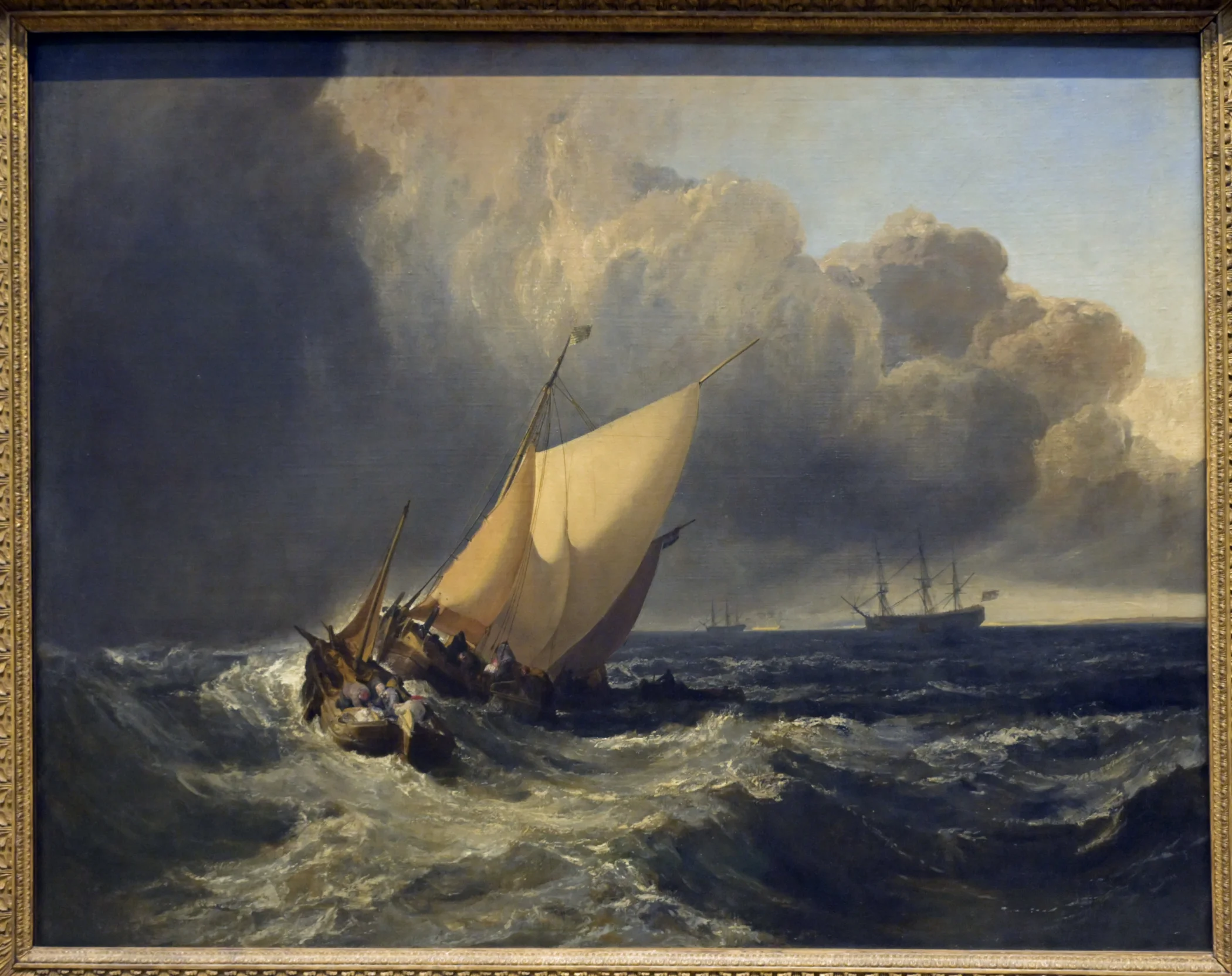
Joseph Mallord William Turner (1775-1851) Dutch Boats in a Gale ‘The Bridgewater Sea Piece’), 1801 utch boats are shown on course for collision in stormy weather. Dark clouds contribute to the sense of danger. The painting was commissioned by the 3rd Duke of Bridgewater as a companion piece to a 17th-century Dutch seascape in his possession. Oil on canvas.
View technical data…

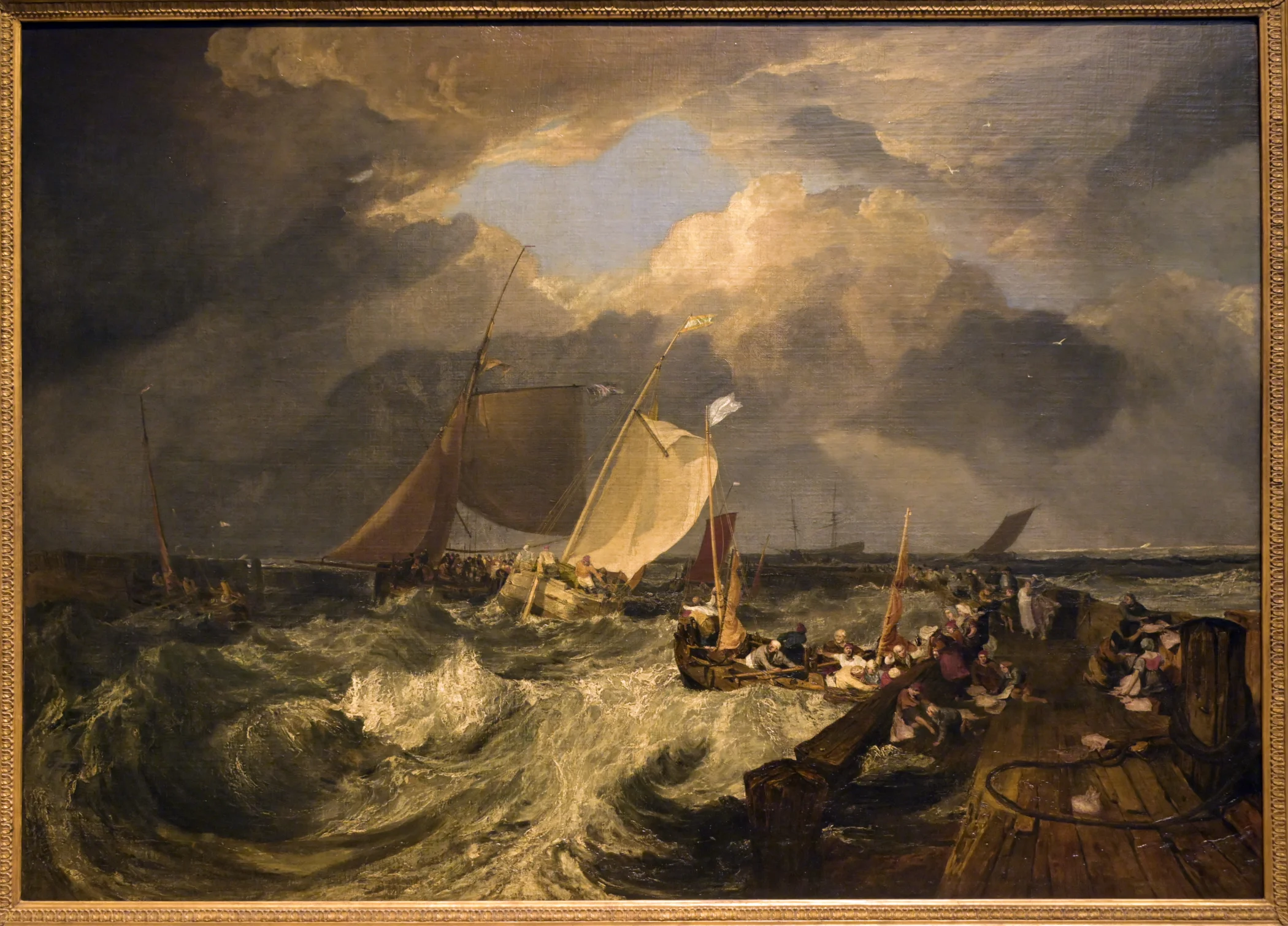
Joseph Mallord William Turner (1775-1851) Calais Pier: An English Packet Arriving, 1803 An English packet or mail-boat, crowded with travellers, narrowly avoids collision with a French fishing boat as it attempts to land. This picture is based on Turner’s experience of a stormy landing at Calais during his first trip abroad in 1802. Oil on canvas.
View technical data…


Claude Monet (1840-1926) The Museum at Le Havre, 1873 Le Havre was Monet’s home town. Monet here seems to have been working from one of the walls of the inner harbour. He is looking across the busy port to the Musée des Beaux-Arts, the large building at the centre of the painting. Oil on canvas.
View technical data…

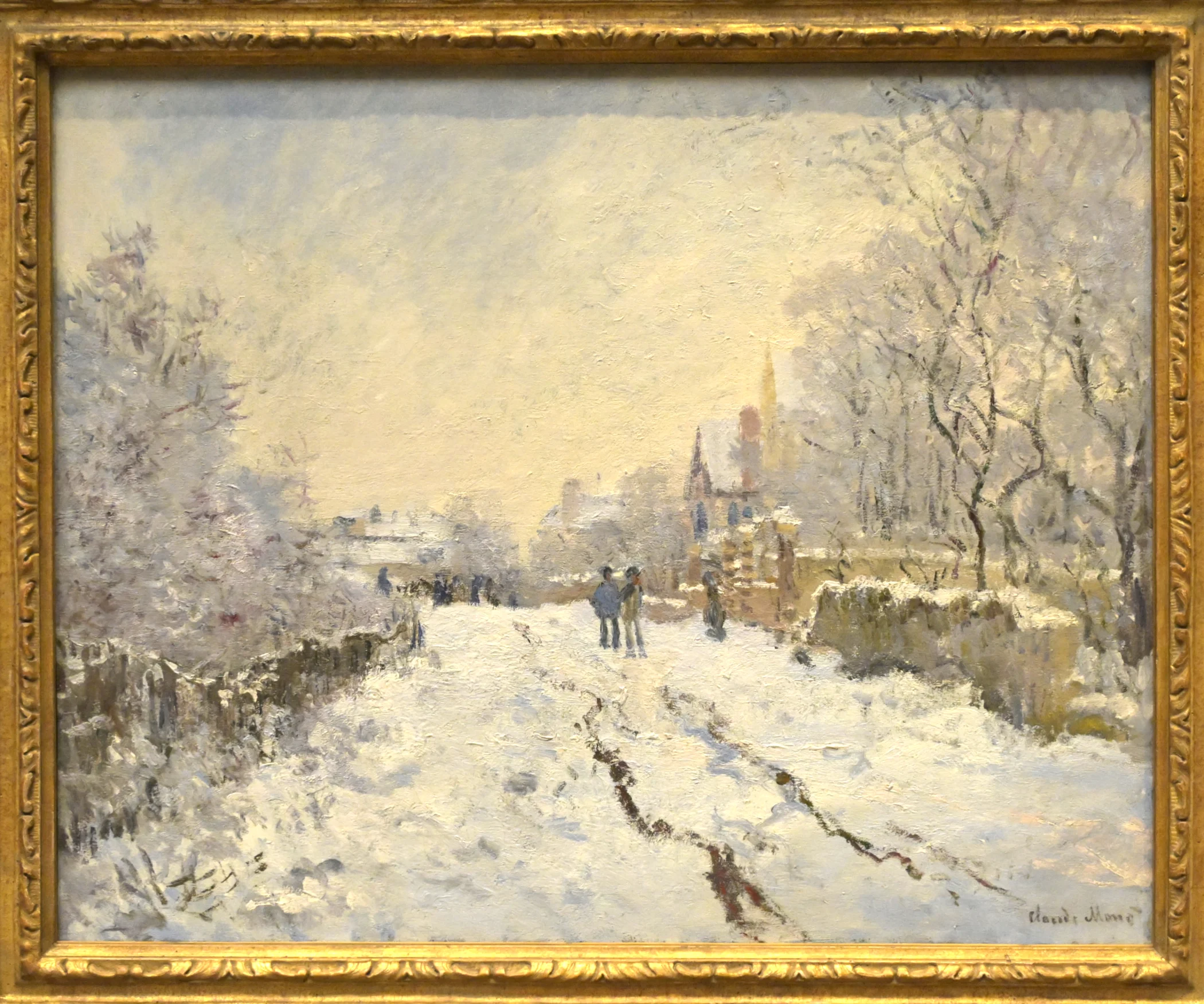
Claude Monet (1840-1926) Snow Scene at Argenteuil, 1875 The Reavy snowfalls during the winter of 1874-5 prompted Monet to paint 18 views of the landscape around his home in the village of Argenteuil, of which this is the largest. It evokes the cold winter atmosphere through a steely palette of blues and greys, occasionally given depth by sharp accents of colour. Oil on canvas.
View technical data…
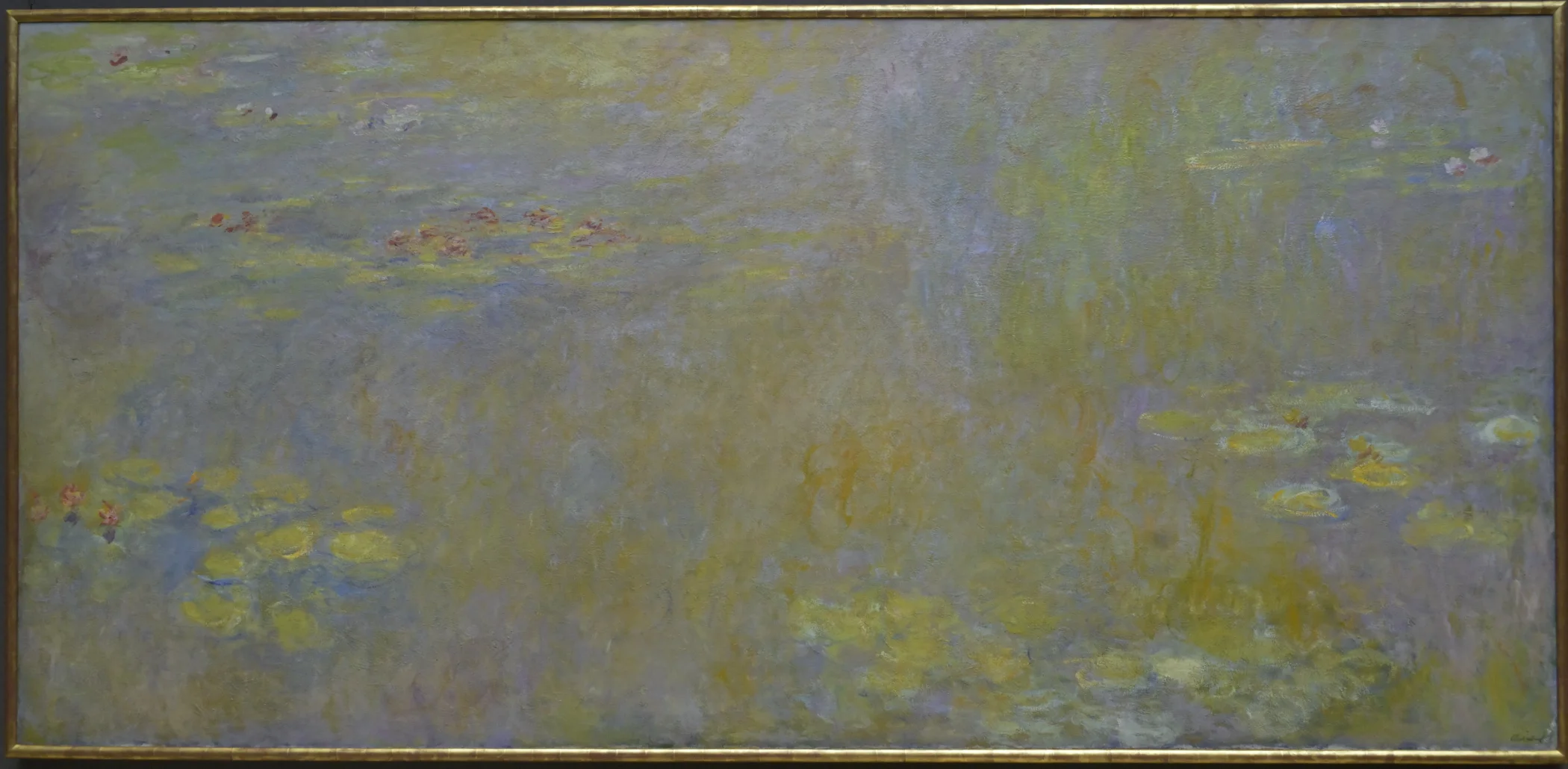

Claude Monet (1840-1926) Water-Lilies, after 1916 In 1916 Monet had a new studio built at Giverny in order to work on huge canvasses; large-scale, close-up views of the surface of his water-lily pond. In 1918, the day after the Armistice was signed, the painter promised a group of the paintings to the French nation as a “monument to peace”. It was a war memorial, but of a personal, unprecedented kind. Monet described his Water-Lilies as “producing the effect of an endless whole, of a watery surface with no horizon and no shore”. Distance and perspective are abolished; a limitless expanse of water occupies our entire field of vision. Closely related to that project, the present monumental canvas was not included in Monet’s gift, which hangs today in the Orangerie of the Tuileries in Paris. Oil on canvas.
View technical data…


Pierre-Auguste Renoir (1841-1919) The Skiff (La Yole), 1875 Rowing boats, sailboats and steam trains crossing bridges were favourite motifs of the Impressionists. Renoir combines all three in this iridescent summer scene. It was probably painted at Chatou, a suburb on the Seine to the west of Paris that was associated with boating and frequented by Renoir. Oil on canvas
View technical data…


Vincent van Gogh (1853-1890) Portrait of Adeline Ravoux, the Innkeeper’s Daughter, 1890 The 12-year-old Ravoux emerges from a dense, expressive background of layered black and blue brushstrokes in this portrait, which Van Gogh painted just over a month before his death. While the emphatic brushwork and profile composition invest Ravoux with a certain dignity, her delicate features reveal her youth and vulnerability. Oil on canvas.
View technical data…
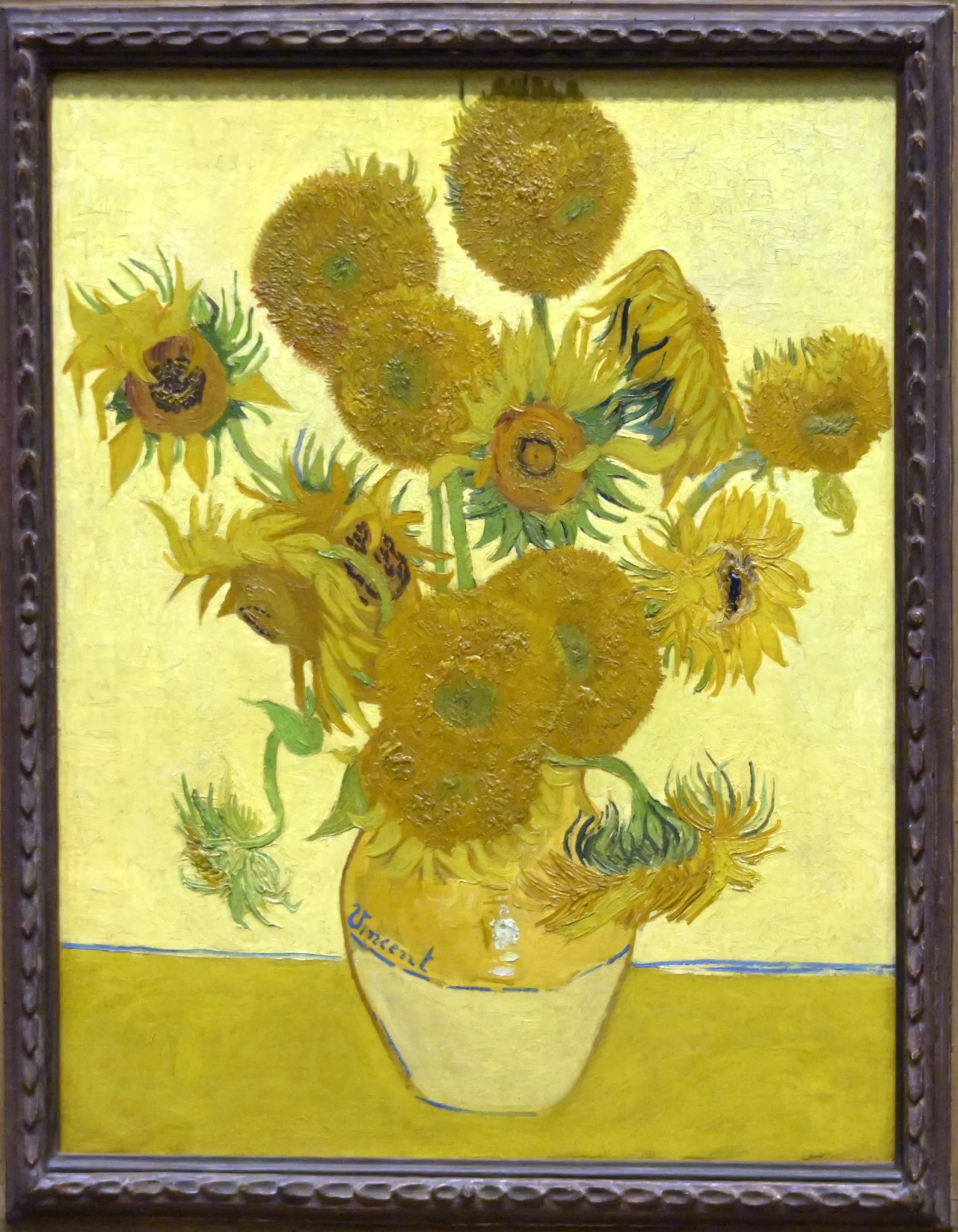
Vincent van Gogh (1853-1890) Sunflowers, 1888 Van Gogh associated the colour yellow with hope and friendship. He suggested that his four Sunflowers canvases, painted to decorate his house in Arles, express an ‘idea symbolising gratitude’. He seems to have been especially pleased with this picture, which he hung in the guest bedroom in anticipation of the arrival of his friend, the artist Paul Gauguin. Oil on canvas.
View technical data…


Claude Monet (1840-1926) Bathers at La Grenouillére, 1869 Monet and Renoir spent the summer of 1869 working at this popular café and bathing place on the Seine near Bougival. Monet probably set up his easel on a platform in front of the cafe. In the centre of the picture, figures stand on a narrow wooden walkway. In the background, bathers crowd into a swimming area. Oil on canvas
View technical data…


Judy at the National Gallery
View technical data…
England – St. Martin in the Fields


St. Martin in the Fields
View technical data…
Show Map
England – St. Martin’s Place, London

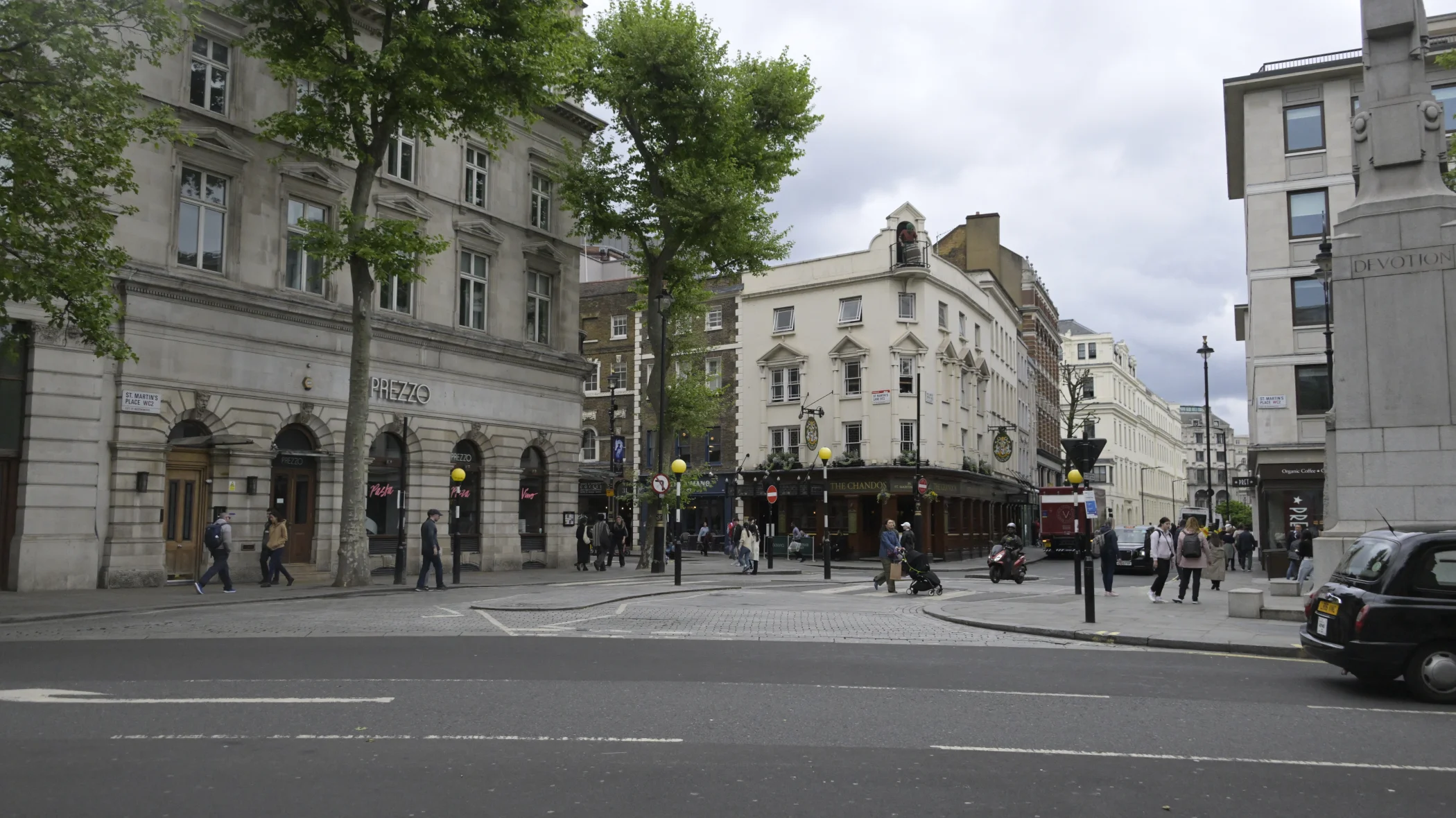
St. Martin’s Place, London
View technical data…
Show Map
England – National Portrait Gallery


The Whitehall Cartoon King Henry VIII (1491-1547) and King Henry VII (1457-1509) By Hans Holbein the Younger This is a preparatory drawing for one of the most famous depictions of personal power ever produced. Painted on a wall in Whitehall Palace, the portrait was intended to overwhelm the viewer with Henry VIII’s majesty. It was created by the ‘King’s Painter’, the German artist Hans Holbein the Younger. The complete composition included portraits of Henry VIII, his third wife Jane Seymour, and his Parents Henry VII and Elizabeth of York. The mural was destroyed in a fire in 1698. ink and watercolour on paper, made 1536 and 1537 sett Accepted in lieu of tax 2nd allocated to the NPG 4027 by H.M. Government Gallery, 1957
View technical data…
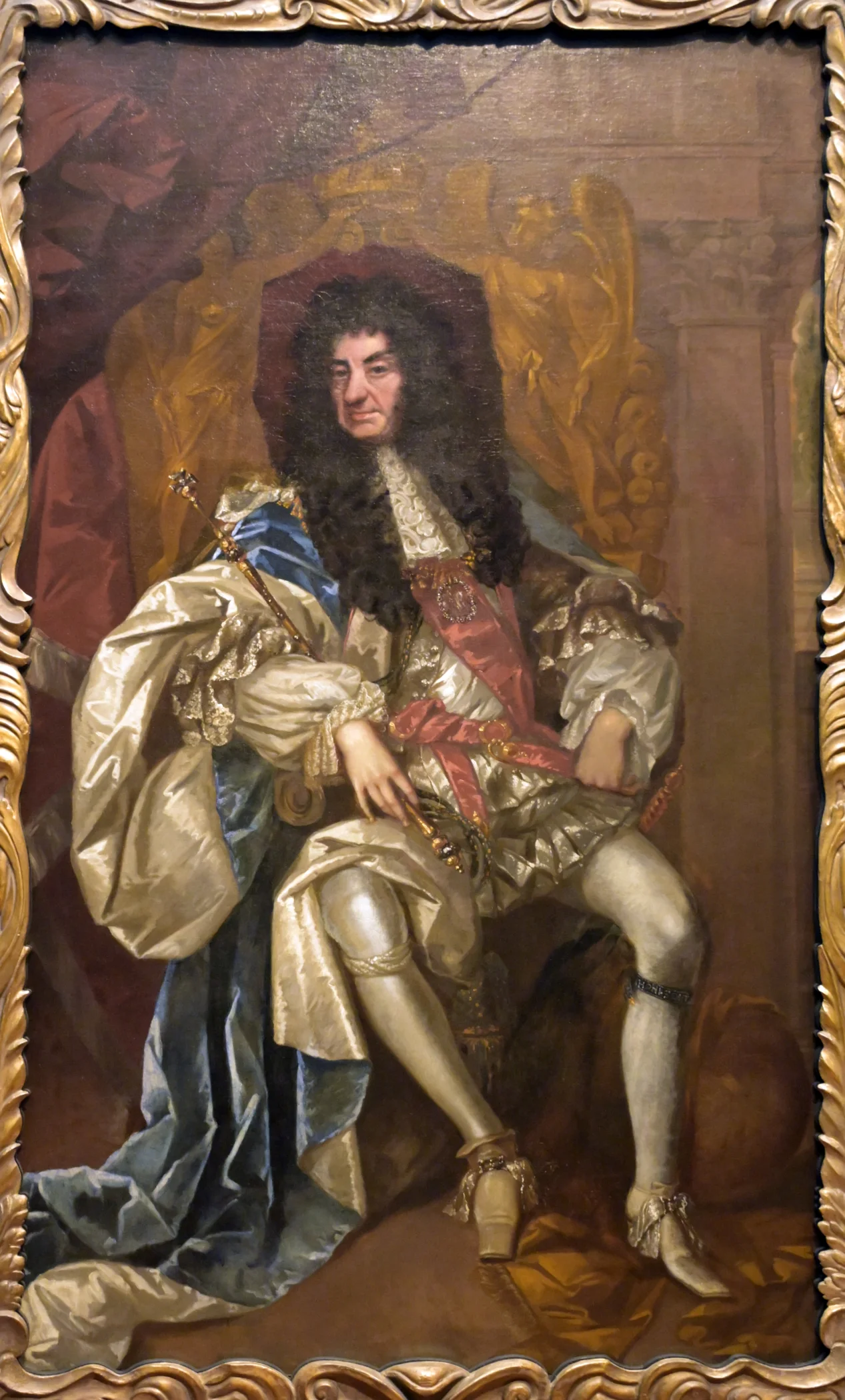

King Charles Il, 1630-85 Attributed to Thomas Hawker The eldest child of the executed King Charles |, Charles Il spent most of his youth in exile on the continent during the Republic. He returned to reclaim his throne amid much rejoicing in 1660, entering London on his 30th birthday. He opened the public theatres after nearly 20 years of closure, and his court became famed for luxury, indulgence and the prominence of women. He had 14 children with his many mistresses, but none with his Portuguese queen, Catherine of Braganza. Cynical, lazy, and notorious for saying one thing and doing another, Charles was also charming and approachable, and promoted science and technology with genuine interest. Oil on canvas, about 1680
View technical data…


Samuel Pepys, 1633-1703 By John Hayls Pepys is most famous for his remarkable Diary, kept from 1660 until 1669: a unique record of life in Restoration London. His lively descriptions range from important national events like the Great Plague and the Great Fire of London, to domestic details about dining with friends and buying new clothes. Never intended for publication, the Diary also includes candid accounts of Pepys’s intimate relationships, including, in disguised language, his infidelities and sexual exploitation of serving women. Pepys worked very successfully as a Naval administrator for James, Duke of York (later James II). He also as assembled an extensive library and collection of engravings that now belong to Magdalene College, Cambridge.
View technical data…


Sir Winston Churchill, 1874-1965 _ By Sir William Orpen This portrait shows politician Winston Churchill at a time of crisis during the First World War. This was 25 years before he guided Britain to victory as Prime Minister in the Second World War. Churchill had recently resigned from his position as First Lord of the Admiralty. He had overseen a disastrous naval campaign in the Dardanelles Straits linking Turkey to Europe, which had ~ resulted in the deaths of 46,000 allied soldiers. An enquiry eventually cleared him of sole blame, but painter William Orpen found Churchill to be a ‘man of misery’ who had ‘lost pretty well everything’. Churchill described his portrait as: ‘not the picture of a man’ but ‘of a man’s soul.’
View technical data…


Dame Judi Dench, b.1934 By Alessandro Raho ~ Acting just sort of crept up on me but | don’t regret it for a moment. Dame Judi Dench : One of Britain’s best-known actors, Dench has played many different _ roles, from Ophelia in Shakespeare’s _ Hamlet to ‘M’ in the James Bond films. However, Raho chose to portray the actor off-stage, as a version of herself _ in her everyday clothes, unadorned and without props. The artist has — spoken of how he attempted to ‘trap | something | saw while she waited in the foyer of the National Portrait Gallery, unaware of me’ when they _ first met. Raho’ S process involves taking hundreds of photographs, yet the portrait retains painterly qualities _ such as the delicate brush strokes © – and soft tonal effect, which make _ the figure appear to shimmer.
View technical data…
Show Map
England – Golden Jubilee Bridge, Victoria Embankment


London eye from Golden Jubilee Bridge, Victoria Embankment
View technical data…
Show Map


Big Ben from Golden Jubilee Bridge, Victoria Embankment
View technical data…
Show Map

Leave a Reply